

Erfolgreiche Fertigungsunternehmen müssen eine angemessene Strategie für Wartung, Reparatur und Betrieb (MRO) umsetzen, um einen reibungslosen Betrieb ihrer Anlagen zu gewährleisten.
This article will discuss the importance of MRO, describe the main types of MRO maintenance, MRO products, and the MRO supply chain. Additionally, it will outline best practices for an effective MRO strategy, which will help your organization reduce downtime, increase productivity, and lower costs.
Was ist Wartung, Reparatur und Betrieb (MRO)?
MRO stands for Maintenance, Repair, and Operations. It’s a maintenance strategy that includes all activities related to the maintenance, repair, replacement, and operation of any facilities, equipment, or other assets a company relies on to achieve its goals. This includes all the MRO supplies and products to help organizations manage tasks.
Each individual component of MRO supports your success in distinct ways:
- Maintenance: Scheduled and unscheduled activities that support continuous, reliable productivity through the preservation and restoration of equipment, infrastructure, systems, and facilities
- Repair: A subset of maintenance focused on restoring parts or equipment in response to failure or potential failure
- Operations: The daily activities required to keep a company’s equipment and systems performing reliably: managing processes, running equipment, measuring key performance indicators (KPIs), and more. Inspecting a machine? That’s MRO. Replacing a window? That’s also MRO. Printing out a service manual? Changing a truck tire? You guessed it: MRO.
Das breite Spektrum der MRO-Aktivitäten unterstreicht ihre Bedeutung für die Gewährleistung der betrieblichen Effizienz und die Minimierung von Störungen. Und wenn es sich nach viel Arbeit anhört, dann ist es auch so. Deshalb kann die Wahl der richtigen MRO-Software, z. B. eines computergestützten Instandhaltungsmanagementsystems(CMMS) wie eMaint, den entscheidenden Unterschied bei der Optimierung Ihrer MRO-Strategie ausmachen.
Maintenance, Repair, and Operations vs Maintenance, Repair, and Overhaul
While very similar, these two terms differ in their final words: operations vs overhaul.
Maintenance, repair, and operations is a broad facility management strategy encompassing both production-critical and extraneous tasks.
Maintenance, repair, and overhaul is specific to the assets, tools, and spare parts involved in production. Specifically, “overhaul” reflects the major maintenance efforts required to refurbish essential assets. Learn more about maintenance, repair, and overhaul.
Warum ist MRO wichtig?
MRO wirkt sich in mehrfacher Hinsicht entscheidend auf ein Unternehmen aus, unter anderem auf das Kostenmanagement, die Produktivität und die Beschaffung.
- Maintenance Costs: It goes without saying that maintaining equipment is essential to prevent frequent breakdowns and incurring associated high costs. When maintenance is neglected, the frequency of asset failures increases, leading to expensive repairs, production halts, defective products, idle workforce, and lost business opportunities. Additionally, poor maintenance shortens machinery lifespan, forcing companies to decide between costly replacements or frequent repairs. Maintenance activities, whether outsourced or handled internally, also involve significant material and supply costs.
- Inventory Control: Effective MRO management involves meticulous control over the purchasing and stocking of materials, supplies, and parts. Often, maintenance staff may over-purchase to avoid running out of essential MRO items, leading to wasted resources and cluttered storage spaces. Poor organization can also result in unnecessary reorders of items already in stock. Conversely, not having parts available when needed — stockouts — extends downtime and increases repair costs, sometimes necessitating expedited shipping or interim fixes. Understanding the MRO supply chain and any potential blockers is critical.
- Plant Productivity: Reactive maintenance, which waits for assets to fail before addressing issues, results in excessive and avoidable downtime. Without proper maintenance documentation, teams might perform unnecessary or counterproductive work, causing further delays and production backlogs. Stockouts also halt maintenance and repairs, leading to production stoppages and idle operators. When this happens, you miss targets and key performance indicators (KPIs).
Die MRO-Instandhaltung kann dazu beitragen, die Herausforderungen in all diesen Bereichen zu bewältigen, aber es ist wichtig, die verschiedenen Arten der MRO zu verstehen.
Warum MRO für Betrieb und Lieferketten wichtig ist
Bei einer effektiven MRO geht es um Risikominimierung. Jeder, der die Betriebsabläufe oder Lieferketten eines Unternehmens verwaltet, egal ob intern oder extern, muss einen Plan haben, um mit allem fertig zu werden, was den Betrieb stören könnte. Sie haben ein gerissenes Förderband? Wissen Sie, woher Sie eines bekommen können? Ein solches Band in der Hinterhand zu haben und zu wissen, was die Techniker vor Ort zu tun haben, macht den Unterschied zwischen Stunden und möglicherweise Tagen Ausfallzeit aus.
Was sind MRO-Bedarf und -Materialien?
MRO supplies and materials are essential products used in the daily MRO activities of manufacturing or industrial organizations. They might include spare parts, cleaning supplies, safety equipment, and mechanical elements. Usually, MRO products help maintain a safe, smooth-running, and compliant organization. Having an inventory system of MRO products based on usage and critical need can ensure organizations don’t run out.
Which Spending Category Do MRO Materials Belong To?
Above more specific areas of spending, there are two basic categories: direct and indirect spending. For budgets and MRO inventory management, it’s essential to know which category MRO materials belong in.
- Direct Spending: Purchases required for the production process, such as raw materials
- Indirect Spending: General operational costs distinct from the production process itself, but still required — this includes MRO supplies such as safety gear, office supplies, maintenance supplies, and spare parts
The 4 Types of MRO (With Examples)
Produkte und Materialien für Wartung, Reparatur und Betrieb sind für die Instandhaltung und den effizienten Betrieb von Industrie- und Produktionsanlagen unerlässlich. Zu diesen MRO-Artikeln gehören Ersatzteile, Sicherheitsausrüstungen und Reinigungsmittel, die zwar nicht direkt am Produktionsprozess beteiligt sind, aber für die Aufrechterhaltung des Betriebs und der Sachanlagen unerlässlich sind.
- Reparatur- und Wartungswerkzeuge
Zu den für Wartungsarbeiten erforderlichen Werkzeugen gehören Handwerkzeuge und Elektrowerkzeuge wie Hämmer, Bohrer, Schraubenzieher und Sägen. Für spezielle Bereiche können auch Rasenpflegegeräte erforderlich sein.
- Sicherheitsausrüstung und persönliche Schutzausrüstung (PSA)
Safety gear, like fire extinguishers, gas detectors, and PPE, such as hard hats, goggles, gloves, and safety boots, ensures workplace safety.
- Verbrauchsmaterial
Common consumables are limited-use MRO items, including cleaning supplies, fasteners, greases, lubricants, and even basic office supplies.
Im Gegensatz zu Materialien und großen Produktionsanlagen können diese MRO-Bestandsartikel leicht verloren gehen oder beschädigt werden. Deshalb ist ein gutes MRO-Management auch für Verbrauchsmaterialien wichtig.
- Industrielle Ausrüstung
Dazu gehören Produktionsanlagen wie Pumpen, Ventile, Motoren und Kompressoren sowie die dazugehörigen Ersatzteile. Eine Trennung nach Kritikalität kann die Effizienz der Verwaltung erhöhen.
Wartung von Materialtransportanlagen
To move raw materials through the production process and out to shipping, plants need effective material handling equipment — typically heavy machinery. Examples of material handling equipment include conveyor systems, forklifts, robotic arms, pallet positioners, and bulk containers.
Die Wartung dieser MRO-Artikel konzentriert sich in der Regel auf die Verringerung der Leerlaufzeiten.
Reparatur und Wartung von Produktionsanlagen
Der Schwerpunkt dieser MRO-Kategorie liegt auf der Vermeidung von Unterbrechungen des Produktionsprozesses. Mit bewährten MRO-Verfahren für Ihre Produktionsanlagen können Sie den Rohstoffabfall minimieren und die Ausfallzeiten der Anlagen verringern.
Reparatur und Instandhaltung der Infrastruktur
While proper facility maintenance is crucial, the entire property needs attention. Facility infrastructure repair includes upkeep of your immediate facility as well as the grounds surrounding your operations.
Hausmeisterdienste, Beleuchtungs- und HLK-Wartung, Schädlingsbekämpfung und Landschaftsgestaltung werden vielleicht nicht als vorrangige Aufgaben angesehen. Höchstwahrscheinlich kann Ihre Einrichtung auch dann arbeiten, wenn diese Aufgaben in Verzug geraten. Aber wenn Sie diese MRO-Aufgaben in Ihre Prioritätenliste für die Reparatur der Infrastruktur aufnehmen, können Sie die Leistung optimieren, das Wohlbefinden der Mitarbeiter erhalten und Ausfallzeiten vermeiden.
We’ve covered the types and importance of MRO products and materials. Now, let’s dive into the strategies that can make your MRO practices more effective.
Was ist MRO-Bestands- und Lieferkettenmanagement?
Wenn es um die Werkzeuge und Materialien geht, die Ihre MRO-Strategie erfordert, können sowohl Bestandsmängel als auch Überbestände zu Problemen führen.
Warum genau ist MRO-Bestandsmanagement so wichtig? Ein unzureichender MRO-Bestand kann sich auf die Effizienz auswirken, Fristen gefährden und Kundenbeziehungen beeinträchtigen. Wenn Sie hingegen mehr MRO-Bestand als nötig haben, monopolisiert dies den Lagerraum und schadet der Rentabilität. Aus diesem Grund ist eine effektive MRO-Bestandsverwaltung für Ihren Betrieb von entscheidender Bedeutung.
MRO-Bestandsverwaltungsstrategien variieren je nach Branche, Größe, Datenanalysemethoden und Unternehmenszielen. Bestandsverwaltungssoftware kann Ihnen Ineffizienzen, Lücken und Fallstricke in den derzeitigen Verfahren aufzeigen. Mit neuen Erkenntnissen können Sie positive Veränderungen für eine effiziente MRO-Bestandsverwaltung vornehmen.
Nachdem wir nun die wichtigsten Arten von MROs kennen, wollen wir uns nun die gängigen Strategien ansehen.
3 MRO-Management-Strategien in der Fertigungsindustrie
MRO-related maintenance can be broken down into three main categories: corrective, preventive, and predictive maintenance (though, increasingly, many MRO teams are looking to condition-based maintenance strategies as well).
- Corrective Maintenance: Corrective maintenance involves repairing equipment or facilities that have already failed or malfunctioned. This type of maintenance is typically reactive (unplanned), so it can result in significant downtime and increased costs. Corrective maintenance is often necessary for unexpected failures, but it should not be the primary focus of your MRO strategy.
- Preventive Maintenance: Preventive maintenance involves scheduled maintenance and inspections of equipment and infrastructure aimed at preventing breakdowns and extending asset lifespans. This type of maintenance is proactive and can help reduce downtime and lower costs by identifying and addressing potential issues before they become significant problems. A successful preventive maintenance program ensures your organization’s storerooms and technicians always have the right materials in the right place at the right time.
- Predictive Maintenance: Predictive maintenance involves using data and analytics to predict when maintenance will be required in the future. Any MRO strategy can be greatly improved by deploying advanced tools and sensors (such as vibration sensors from Fluke Reliability) to continuously and effortlessly monitor the health of mission-critical assets. Such data-collection tools can also be paired with CMMS software like eMaint. This gives maintenance teams access to both real-time and historical data and trends, which enables the identification of potential issues before they become problems, ultimately increasing productivity.
Die richtige Beachtung der vorausschauenden Instandhaltung ist der Schlüssel zu langfristigen, nachhaltigen Produktivitätssteigerungen. Ebenso wichtig für das Verständnis dieser Wartungsstrategien ist jedoch die Kenntnis der verschiedenen Produkte und Materialien, die MRO-Aktivitäten unterstützen.

Die Vorteile von MRO
Der Einsatz von MRO-Best-Practices und -Technologien kann zahlreiche Vorteile mit sich bringen, die sich auf nahezu jeden Aspekt Ihrer Produktionsanlage positiv auswirken:
- Minimize Unplanned Downtime: One malfunctioning piece of equipment can disrupt the entire production line, leading to costly downtime. An effective MRO strategy allows organizations to plan routine maintenance during off-peak times, such as between shifts or at the end of production runs, keeping facilities operational and minimizing disruptions. This leads to higher production rates, improved overall efficiency, and increased profits.
- Improve Worker Safety: Maintaining assets and organizing work areas helps address and eliminate safety hazards. A clean and well-maintained facility reduces the risk of accidents, injuries, and other safety incidents, ensuring a safer work environment for all employees. This not only protects workers but also reduces the costs associated with workplace injuries and accidents.
- Avoid Stockouts and Overstocking: A meticulous and automated approach to MRO ensures that facilities know exactly when to replenish their MRO equipment, tools, and products. This prevents both stockouts and overstock, optimizing MRO inventory management and ensuring that necessary MRO items are always available without overcrowding the stockroom.
- Reduce Repair Times: If spare parts, tools, and other supplies are readily available and organized, it reduces the time required for maintenance tasks and repairs. Additionally, advanced MRO solutions can help organizations plan and prioritize maintenance tasks efficiently, minimizing travel between assets or locations and further enhancing productivity.
- Maintain Compliance: Many industries and regions have stringent regulations related to occupational health and safety, environmental standards, and equipment upkeep. A comprehensive MRO strategy ensures that industrial equipment is well-maintained, serviced, and compliant with these regulations. This is especially important for highly regulated industries such as aerospace, government, and original equipment manufacturers (OEMs), where noncompliance can result in significant penalties and operational disruptions.
These benefits have a cascading impact across all areas of your operation. But the unique challenges of MRO put these benefits at risk. Here’s what you need to watch out for.
Top Challenges in MRO
Maintenance operations are multifaceted, creating complexities and challenges that can lead to disastrous consequences. Watch out for these common issues in your MRO operations.
Some equipment downtime is inevitable, but a poor MRO approach can increase unplanned downtime. A common cause is overreliance on reactive maintenance. Balance proactive maintenance strategies (predictive, preventive, condition-based) to minimize downtime, improve asset reliability, and realize significant cost savings.
Ineffective inventory management and resource allocation create widespread issues, including increased equipment downtime and rising MRO costs. When maintenance managers and team members waste time looking for work orders, assigning work, locating spare parts, or ordering parts after failure occurs, it’s difficult to recover from the resulting backlogs. Improve productivity with better resource allocation and inventory management.
Finally, data access is vital to successful MRO. But a lack of centralized data, along with poor data analysis capabilities, leaves many companies at a disadvantage. Clear data insights help teams prioritize repairs effectively, forecast potential failures, and identify areas for improvement. Luckily, the right CMMS helps simplify data management.
So, how exactly can you remedy these common MRO challenges? Implement the following best practices for more effective operations.
Bewährte Praktiken für mehr Effizienz im MRO-Bereich
Das Management von Wartung, Reparatur und Betrieb ist entscheidend für den Erfolg, aber Sie müssen die richtigen Strategien, Zeitpläne und Werkzeuge (einschließlich MRO-Software) einsetzen. Ein willkürlicher oder inkonsistenter Ansatz kann zu Verzögerungen, Ausfallzeiten und geringen Gewinnspannen führen. Probieren Sie also diese Methoden aus, um Ihre MRO-Prozesse zu optimieren.
Entwicklung eines umfassenden MRO-Plans
Zu einer wirksamen MRO-Strategie gehört ein umfassender Plan, der die für die Aufrechterhaltung der Ausrüstung, der Anlagen und des Betriebs erforderlichen Wartungs-, Reparatur- und Ersatzmaßnahmen beschreibt. Dieser Plan sollte einen Zeitplan für präventive Wartungsaktivitäten sowie ein Verfahren für den Umgang mit unerwarteten Ausfällen enthalten.
Daten und Analysen für das MRO-Management nutzen
Data and analytics can provide valuable insights into equipment and facility performance, allowing manufacturers to identify potential issues before they become problems. By electronically capturing equipment and facility data, organizations can implement a predictive MRO strategy that gives maintenance teams and leadership the necessary information to make data-driven decisions about repairs and replacements.
Verbessern Sie Ihren MRO-Beschaffungsprozess
Bei der MRO-Beschaffung handelt es sich um den Einkauf von Produkten und Verbrauchsmaterialien für Ihre Wartungs-, Reparatur- und Betriebsaufgaben. Dazu gehört auch die Verwaltung von MRO-Beständen wie Werkzeugen, Geräten, Verbrauchsmaterialien und mehr.
Bei so vielen Wartungsmaterialien ist es schwierig, den Bestand zu überwachen. Es ist leicht, zu viel auszugeben und zu viel zu lagern. Eine Datenanalyse ist unerlässlich, um Ihre MRO-Ausgaben im Verhältnis zum tatsächlichen Verbrauch zu verstehen, den richtigen Zeitplan für die MRO-Beschaffung zu finden und herauszufinden, wo Sie Geld sparen können. Die richtige MRO-Software kann wertvolle Erkenntnisse wie diese liefern, um Ihren MRO-Beschaffungsprozess zu verbessern.
Verwenden Sie Vendor-Managed Inventory (VMI), ein effektives MRO-Bestandsverwaltungssystem
Ihr gesamtes MRO-Inventar intern zu verwalten, kann eine große Herausforderung sein. Sie ist nicht nur komplex und zeitaufwändig, sondern kann sogar riskant sein. Das liegt daran, dass verschiedene Lieferanten unterschiedliche Einkaufsanforderungen, Mindestbestellmengen, Vorlaufzeiten und mehr haben.
Bei der Fülle an zu verwaltenden Produkten kann es leicht passieren, dass Ihnen der Bürobedarf und andere Produkte ausgehen, während Sie auf Bestellungen warten. Bei der herstellergesteuerten Bestandsverwaltung können die Lieferanten auf Ihre Bestandsverwaltungssoftware zugreifen. Sie entscheiden dann, wann Sie Ihre Bestände auffüllen müssen, und geben die Bestellungen selbst auf. Dies kann Engpässe verringern und die Abläufe rationalisieren.
Investieren Sie in die Ausbildung und Entwicklung des Wartungsmanagements
Die ordnungsgemäße Wartung und Reparatur von Geräten und Anlagen erfordert spezielle Kenntnisse und Fähigkeiten. Durch Investitionen in die Aus- und Weiterbildung des Wartungspersonals kann sichergestellt werden, dass dieses über die erforderlichen Fähigkeiten verfügt, um die notwendigen Wartungs- und Reparaturarbeiten effektiv durchzuführen.
Optimieren Sie Ihr MRO-Programm mit Technologie
Technologie kann eine wichtige Rolle bei der Verbesserung jeder MRO-Strategie spielen. Hersteller können Technologien einsetzen, um Wartungsaufgaben zu automatisieren, die Leistung von Geräten und Anlagen zu überwachen und den Reparatur- und Austauschprozess zu rationalisieren. Alle MRO-Aktivitäten sollten auch dokumentiert werden, um Trends und potenzielle Probleme frühzeitig zu erkennen.
Der Einsatz von MRO-Software macht es viel einfacher, eine konsistente und genaue Dokumentation zu führen. Und mit einer robusten, umfassenden CMMS-Software wie eMaint erhalten Sie alles, was Sie brauchen, in einem zentralen Tool.
MRO Technologies and Software
With the right software, you can make MRO management simpler, more efficient, and more effective. But which type of tool should you choose? Here are the primary MRO software tools.
Computerized Maintenance Management Systems (CMMS)
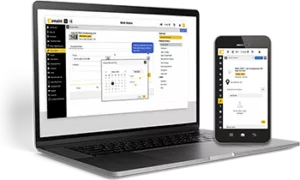
CMMS software supports operations and facility management, including automation and analysis of work orders, asset health, inventory, KPIs, and more. An effective CMMS, like eMaint, saves time and money by helping teams plan, track, and report on their work.
Enterprise Asset Management (EAM) Systems
EAM systems encompass all aspects of asset lifecycle management, tracking equipment from procurement to disposal. A CMMS supports the maintenance management of your assets, while an EAM system supports the broader asset lifecycle. eMaint has both EAM and CMMS capabilities, supporting a holistic approach to asset and maintenance management.
Asset Performance Management (APM) Systems
APMs amplify the benefits of CMMS and EAM systems by providing real-time asset performance data directly from your machines, as well as from predictive maintenance tools like sensors and monitors. With these insights, you can customize and prioritize maintenance efforts based on asset criticality and potential failure data. The Fluke connected reliability framework links eMaint with Fluke sensors and tools, creating a comprehensive approach to asset and facility management.
Wie kann CMMS-Software die MRO verbessern?
The functionalities that a CMMS offers facility managers can significantly simplify and elevate the MRO process. Here’s how:
- Access Centralized Data Storage: A CMMS securely stores all your maintenance data in the cloud, making it easily searchable and accessible. This centralized data repository keeps all relevant information at your fingertips, improving efficiency and decision making.
- Schedule and Track Preventive Maintenance: CMMS software helps schedule and track work orders, ensuring that maintenance tasks are performed on time and according to plan. This minimizes unplanned downtime and keeps your operations running smoothly.
- Manage Assets: With a CMMS, you can account for assets across all your facilities, maintaining a detailed record of each asset’s maintenance history and real-time status. This visibility helps you manage your assets more effectively and extend their lifespans.
- Streamline Inventory Management and Supply Chain Management: A CMMS tracks MRO inventory levels, ensuring that you always have the necessary spare parts, tools, and consumables on hand. This prevents stockouts and reduces the risk of overstocking, optimizing inventory costs and availability.
- Improve Your Decision-Making: Analyze asset performance to identify which assets are costing the most money and why, enabling better maintenance decisions.
Durch die Nutzung all dieser Funktionen kann ein CMMS die Effizienz und Effektivität Ihrer MRO-Strategie erheblich verbessern.
Here’s an example to illustrate: NARENCO, a renewable energy company, improved MRO visibility and operational efficiency by leveraging eMaint CMMS to manage over 4,000 assets across 36 sites, completing over 5,500 preventive maintenance tasks and nearly 2,000 corrective work orders in a single year. This level of detailed management and visibility was crucial for NARENCO’s growth and operational efficiency.
Diese Ergebnisse sind kein Einzelschicksal. Auch Ihr Unternehmen kann von den Vorteilen der MRO-Optimierung profitieren.
Mit einer MRO-Strategie, die sich auf vorbeugende und vorausschauende Wartung, Mitarbeiterschulung und technologiegestützte Datenerfassung und -dokumentation konzentriert, stellt Ihr Unternehmen sicher, dass alle Geräte, Werkzeuge und Einrichtungen so gut wie möglich gewartet werden und produktiv sind.
The Future of MRO
Technological advancements continue to create new possibilities for plant operations and maintenance departments.
We expect to see improvements in the efficiency and accuracy of predictive maintenance strategies, thanks to a combination of automation, AI, and machine learning technologies. Maintenance software no longer simply tells us what’s wrong — it can analyze historical data to prescribe the best course of action, create and assign automated work orders, and predict future failures.
As these systems become increasingly more accurate, companies will continue to see incremental improvements in productivity, efficiency, and reliability, in addition to reduced MRO costs. It’s up to each company to effectively use these technologies as tools to augment — rather than replace — the expertise of maintenance professionals.
Was ist MRO? FAQs
Was bedeutet MRO?
MRO steht für Wartung, Reparatur und Betrieb. Es umfasst alle Aktivitäten in Ihrem Unternehmen, die mit der regelmäßigen Instandhaltung, den Routinereparaturen und dem Ersatz Ihrer Anlagen zu tun haben. Dazu gehören Werkzeuge, Geräte und Einrichtungen, die Sie für Ihren täglichen Betrieb benötigen.
Was bedeutet MRO in der Beschaffung?
Der MRO-Einkauf, auch bekannt als MRO-Beschaffung, ist der Prozess der Beschaffung der Materialien, die Sie für die Durchführung von Wartungs-, Reparatur- und Betriebsaufgaben benötigen. In dieser Hinsicht unterscheidet er sich von den Materialien, die Sie im Produktionsprozess verwenden.
Was ist der Unterschied zwischen OEM und MRO?
OEM steht für "Original Equipment Manufacturer". In der Fertigung bezieht sich dies auf Ihr Unternehmen, da Sie Ihre eigenen Produkte herstellen.
MRO hingegen steht für "Maintenance, Repair, and Operations", also für die Systeme, Verfahren und Werkzeuge, die zur Aufrechterhaltung des Betriebs einer Produktionsanlage eingesetzt werden.