

As empresas de produção bem sucedidas devem implementar uma estratégia adequada de manutenção, reparação e operações (MRO) para garantir que as suas instalações estão a funcionar sem problemas.
This article will discuss the importance of MRO, describe the main types of MRO maintenance, MRO products, and the MRO supply chain. Additionally, it will outline best practices for an effective MRO strategy, which will help your organization reduce downtime, increase productivity, and lower costs.
O que é a manutenção, reparação e operações (MRO)?
MRO stands for Maintenance, Repair, and Operations. It’s a maintenance strategy that includes all activities related to the maintenance, repair, replacement, and operation of any facilities, equipment, or other assets a company relies on to achieve its goals. This includes all the MRO supplies and products to help organizations manage tasks.
Each individual component of MRO supports your success in distinct ways:
- Maintenance: Scheduled and unscheduled activities that support continuous, reliable productivity through the preservation and restoration of equipment, infrastructure, systems, and facilities
- Repair: A subset of maintenance focused on restoring parts or equipment in response to failure or potential failure
- Operations: The daily activities required to keep a company’s equipment and systems performing reliably: managing processes, running equipment, measuring key performance indicators (KPIs), and more. Inspecting a machine? That’s MRO. Replacing a window? That’s also MRO. Printing out a service manual? Changing a truck tire? You guessed it: MRO.
A amplitude das actividades MRO sublinha a sua importância para garantir a eficiência operacional e minimizar as interrupções. E se parece ser muito para gerir, é porque é. É por isso que a escolha do software MRO correto, tal como um sistema de gestão de manutenção informatizado(CMMS) como o eMaint, pode fazer toda a diferença na otimização da sua estratégia MRO.
Maintenance, Repair, and Operations vs Maintenance, Repair, and Overhaul
While very similar, these two terms differ in their final words: operations vs overhaul.
Maintenance, repair, and operations is a broad facility management strategy encompassing both production-critical and extraneous tasks.
Maintenance, repair, and overhaul is specific to the assets, tools, and spare parts involved in production. Specifically, “overhaul” reflects the major maintenance efforts required to refurbish essential assets. Learn more about maintenance, repair, and overhaul.
Porque é que o MRO é importante?
A MRO afecta uma organização de várias formas críticas, incluindo a gestão de custos, a produtividade e o aprovisionamento.
- Maintenance Costs: It goes without saying that maintaining equipment is essential to prevent frequent breakdowns and incurring associated high costs. When maintenance is neglected, the frequency of asset failures increases, leading to expensive repairs, production halts, defective products, idle workforce, and lost business opportunities. Additionally, poor maintenance shortens machinery lifespan, forcing companies to decide between costly replacements or frequent repairs. Maintenance activities, whether outsourced or handled internally, also involve significant material and supply costs.
- Inventory Control: Effective MRO management involves meticulous control over the purchasing and stocking of materials, supplies, and parts. Often, maintenance staff may over-purchase to avoid running out of essential MRO items, leading to wasted resources and cluttered storage spaces. Poor organization can also result in unnecessary reorders of items already in stock. Conversely, not having parts available when needed — stockouts — extends downtime and increases repair costs, sometimes necessitating expedited shipping or interim fixes. Understanding the MRO supply chain and any potential blockers is critical.
- Plant Productivity: Reactive maintenance, which waits for assets to fail before addressing issues, results in excessive and avoidable downtime. Without proper maintenance documentation, teams might perform unnecessary or counterproductive work, causing further delays and production backlogs. Stockouts also halt maintenance and repairs, leading to production stoppages and idle operators. When this happens, you miss targets and key performance indicators (KPIs).
Embora a manutenção MRO possa ajudar a enfrentar os desafios em todas estas áreas, é importante compreender os diferentes tipos de MRO.
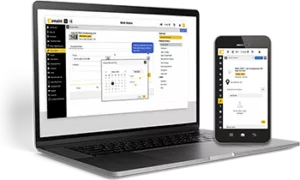
Porque é que o MRO é importante para as operações e as cadeias de abastecimento
Um MRO eficaz tem a ver com a minimização do risco. Quem gere as operações ou as cadeias de abastecimento de uma organização, interna ou externamente, deve ter um plano para lidar com tudo o que possa perturbar as operações. Tem uma correia transportadora partida? Sabe onde arranjar uma? Ter uma já nas traseiras e o conhecimento dos técnicos no local sobre o que fazer é a diferença entre horas ou potencialmente dias de inatividade.
O que são materiais e suprimentos MRO?
MRO supplies and materials are essential products used in the daily MRO activities of manufacturing or industrial organizations. They might include spare parts, cleaning supplies, safety equipment, and mechanical elements. Usually, MRO products help maintain a safe, smooth-running, and compliant organization. Having an inventory system of MRO products based on usage and critical need can ensure organizations don’t run out.
Which Spending Category Do MRO Materials Belong To?
Above more specific areas of spending, there are two basic categories: direct and indirect spending. For budgets and MRO inventory management, it’s essential to know which category MRO materials belong in.
- Direct Spending: Purchases required for the production process, such as raw materials
- Indirect Spending: General operational costs distinct from the production process itself, but still required — this includes MRO supplies such as safety gear, office supplies, maintenance supplies, and spare parts
The 4 Types of MRO (With Examples)
Os produtos e materiais de manutenção, reparação e operações são essenciais para a manutenção e o funcionamento eficiente das instalações industriais e de fabrico. Estes artigos MRO incluem peças sobressalentes, equipamento de segurança e material de limpeza que, embora não estejam diretamente envolvidos no processo de produção, são vitais para a manutenção das operações e dos activos físicos.
- Ferramentas de reparação e manutenção
As ferramentas necessárias para as tarefas de manutenção incluem ferramentas manuais e ferramentas eléctricas como martelos, berbequins, chaves de fendas e serras. Para áreas especializadas, pode também ser incluído equipamento de tratamento de relvados.
- Equipamento de segurança e equipamento de proteção individual (EPI)
Safety gear, like fire extinguishers, gas detectors, and PPE, such as hard hats, goggles, gloves, and safety boots, ensures workplace safety.
- Consumíveis
Common consumables are limited-use MRO items, including cleaning supplies, fasteners, greases, lubricants, and even basic office supplies.
Ao contrário dos materiais e dos grandes equipamentos de produção, estes artigos de inventário MRO podem ser facilmente perdidos ou danificados. É por isso que uma gestão MRO correta é importante também para os consumíveis.
- Equipamento industrial
Isto inclui equipamento de fabrico como bombas, válvulas, motores e compressores, juntamente com as suas peças sobresselentes. A sua separação por grau de criticidade pode aumentar a eficiência da gestão.
Manutenção de equipamento de manuseamento de materiais
To move raw materials through the production process and out to shipping, plants need effective material handling equipment — typically heavy machinery. Examples of material handling equipment include conveyor systems, forklifts, robotic arms, pallet positioners, and bulk containers.
A manutenção destes artigos MRO centra-se normalmente na redução do tempo de inatividade.
Reparação e manutenção de equipamento de produção
O objetivo desta categoria de MRO é evitar interrupções no processo de produção. Com as melhores práticas de MRO para o seu equipamento de produção, pode minimizar o desperdício de matérias-primas e reduzir o tempo de inatividade do equipamento.
Reparação e manutenção de infra-estruturas
While proper facility maintenance is crucial, the entire property needs attention. Facility infrastructure repair includes upkeep of your immediate facility as well as the grounds surrounding your operations.
Os serviços de limpeza, a iluminação e a manutenção do AVAC, o controlo de pragas e a jardinagem podem não ser considerados itens de alta prioridade. Muito provavelmente, as suas instalações podem funcionar mesmo quando estas tarefas estão atrasadas. Mas ao incluir estes itens MRO nas suas prioridades de reparação de infra-estruturas, optimizará o desempenho, manterá os funcionários confortáveis e evitará períodos de inatividade.
We’ve covered the types and importance of MRO products and materials. Now, let’s dive into the strategies that can make your MRO practices more effective.
O que é o inventário MRO e a gestão da cadeia de abastecimento?
No que diz respeito às ferramentas e aos consumíveis que a sua estratégia MRO exige, tanto a falta como o excesso de stock podem criar problemas.
Então, porque é que a gestão do inventário MRO é exatamente importante? Não ter um inventário MRO suficiente pode afetar a eficiência, pôr em risco os prazos e prejudicar as relações com os clientes. Entretanto, ter mais inventário MRO do que o necessário monopoliza o espaço de armazenamento e prejudica a rentabilidade. É por isso que uma gestão eficaz do inventário MRO é essencial para a sua operação.
As estratégias de gestão de inventário MRO variam com base em muitos factores, incluindo a indústria, a dimensão, os métodos de análise de dados e os objectivos da empresa. O software de gestão de inventário pode mostrar-lhe ineficiências, lacunas e armadilhas nas práticas actuais. Com novos conhecimentos, pode fazer alterações positivas para uma gestão eficiente do inventário MRO.
Agora que já conhecemos os principais tipos de MRO, vamos analisar as estratégias mais comuns.
3 Estratégias de gestão de MRO na indústria transformadora
MRO-related maintenance can be broken down into three main categories: corrective, preventive, and predictive maintenance (though, increasingly, many MRO teams are looking to condition-based maintenance strategies as well).
- Corrective Maintenance: Corrective maintenance involves repairing equipment or facilities that have already failed or malfunctioned. This type of maintenance is typically reactive (unplanned), so it can result in significant downtime and increased costs. Corrective maintenance is often necessary for unexpected failures, but it should not be the primary focus of your MRO strategy.
- Preventive Maintenance: Preventive maintenance involves scheduled maintenance and inspections of equipment and infrastructure aimed at preventing breakdowns and extending asset lifespans. This type of maintenance is proactive and can help reduce downtime and lower costs by identifying and addressing potential issues before they become significant problems. A successful preventive maintenance program ensures your organization’s storerooms and technicians always have the right materials in the right place at the right time.
- Predictive Maintenance: Predictive maintenance involves using data and analytics to predict when maintenance will be required in the future. Any MRO strategy can be greatly improved by deploying advanced tools and sensors (such as vibration sensors from Fluke Reliability) to continuously and effortlessly monitor the health of mission-critical assets. Such data-collection tools can also be paired with CMMS software like eMaint. This gives maintenance teams access to both real-time and historical data and trends, which enables the identification of potential issues before they become problems, ultimately increasing productivity.
A atenção adequada à manutenção preditiva é a chave para aumentos sustentáveis e a longo prazo da produtividade. No entanto, igualmente importante para compreender estas estratégias de manutenção é conhecer os vários produtos e materiais que apoiam as actividades MRO.

As vantagens do MRO
A utilização das melhores práticas e tecnologias MRO pode gerar inúmeros benefícios que têm um impacto positivo em quase todos os aspectos das suas instalações de fabrico:
- Minimize Unplanned Downtime: One malfunctioning piece of equipment can disrupt the entire production line, leading to costly downtime. An effective MRO strategy allows organizations to plan routine maintenance during off-peak times, such as between shifts or at the end of production runs, keeping facilities operational and minimizing disruptions. This leads to higher production rates, improved overall efficiency, and increased profits.
- Improve Worker Safety: Maintaining assets and organizing work areas helps address and eliminate safety hazards. A clean and well-maintained facility reduces the risk of accidents, injuries, and other safety incidents, ensuring a safer work environment for all employees. This not only protects workers but also reduces the costs associated with workplace injuries and accidents.
- Avoid Stockouts and Overstocking: A meticulous and automated approach to MRO ensures that facilities know exactly when to replenish their MRO equipment, tools, and products. This prevents both stockouts and overstock, optimizing MRO inventory management and ensuring that necessary MRO items are always available without overcrowding the stockroom.
- Reduce Repair Times: If spare parts, tools, and other supplies are readily available and organized, it reduces the time required for maintenance tasks and repairs. Additionally, advanced MRO solutions can help organizations plan and prioritize maintenance tasks efficiently, minimizing travel between assets or locations and further enhancing productivity.
- Maintain Compliance: Many industries and regions have stringent regulations related to occupational health and safety, environmental standards, and equipment upkeep. A comprehensive MRO strategy ensures that industrial equipment is well-maintained, serviced, and compliant with these regulations. This is especially important for highly regulated industries such as aerospace, government, and original equipment manufacturers (OEMs), where noncompliance can result in significant penalties and operational disruptions.
These benefits have a cascading impact across all areas of your operation. But the unique challenges of MRO put these benefits at risk. Here’s what you need to watch out for.
Top Challenges in MRO
Maintenance operations are multifaceted, creating complexities and challenges that can lead to disastrous consequences. Watch out for these common issues in your MRO operations.
Some equipment downtime is inevitable, but a poor MRO approach can increase unplanned downtime. A common cause is overreliance on reactive maintenance. Balance proactive maintenance strategies (predictive, preventive, condition-based) to minimize downtime, improve asset reliability, and realize significant cost savings.
Ineffective inventory management and resource allocation create widespread issues, including increased equipment downtime and rising MRO costs. When maintenance managers and team members waste time looking for work orders, assigning work, locating spare parts, or ordering parts after failure occurs, it’s difficult to recover from the resulting backlogs. Improve productivity with better resource allocation and inventory management.
Finally, data access is vital to successful MRO. But a lack of centralized data, along with poor data analysis capabilities, leaves many companies at a disadvantage. Clear data insights help teams prioritize repairs effectively, forecast potential failures, and identify areas for improvement. Luckily, the right CMMS helps simplify data management.
So, how exactly can you remedy these common MRO challenges? Implement the following best practices for more effective operations.
Melhores práticas para tornar o MRO mais eficiente
A gestão da manutenção, da reparação e das operações é essencial para o sucesso, mas é necessário aproveitar as estratégias, o calendário e as ferramentas corretas (incluindo o software MRO). Uma abordagem casual ou inconsistente pode levar a atrasos, tempo de inatividade e margens reduzidas. Por isso, experimente estes métodos para otimizar os seus processos de MRO.
Desenvolver um plano abrangente de MRO
Qualquer estratégia de MRO eficaz implica ter um plano abrangente que descreva as actividades de manutenção, reparação e substituição necessárias para manter o equipamento, as instalações e as operações. Esse plano deve incluir um calendário de actividades de manutenção preventiva, bem como um processo para lidar com falhas inesperadas.
Utilizar dados e análises para gerir o MRO
Data and analytics can provide valuable insights into equipment and facility performance, allowing manufacturers to identify potential issues before they become problems. By electronically capturing equipment and facility data, organizations can implement a predictive MRO strategy that gives maintenance teams and leadership the necessary information to make data-driven decisions about repairs and replacements.
Melhore o seu processo de aquisição de MRO
O aprovisionamento MRO é o processo de aquisição de produtos e consumíveis para as suas tarefas de manutenção, reparação e operações. Isto inclui a gestão do inventário MRO, como ferramentas, equipamento, consumíveis e muito mais.
Com tantos materiais de manutenção para gerir, o controlo do inventário é um desafio. É fácil gastar e armazenar em excesso. A análise de dados é essencial para compreender as suas despesas de MRO relativamente à utilização efectiva, o calendário correto para a aquisição de MRO e onde pode poupar dinheiro. O software MRO correto pode fornecer informações valiosas como estas para melhorar o seu processo de aquisição MRO.
Utilizar o inventário gerido pelo fornecedor (VMI), um sistema eficaz de gestão de inventário MRO
Gerir internamente todo o seu inventário MRO pode ser um grande desafio. Não só é complexo e moroso, como pode até ser arriscado. Isto porque os diferentes fornecedores têm diferentes requisitos de compra, mínimos de encomenda, prazos de entrega e muito mais.
Com tanta coisa para gerir, é fácil ficar sem material de escritório e outros produtos enquanto espera que as encomendas cheguem. Mas o inventário gerido pelo fornecedor permite que os fornecedores acedam ao seu software de gestão de inventário. Eles decidem quando é necessário reabastecer e fazem eles próprios as encomendas. Isto pode reduzir as faltas e otimizar as operações.
Investir na formação e no desenvolvimento da gestão da manutenção
A manutenção e a reparação correctas de equipamentos e instalações requerem conhecimentos e competências especializados. O investimento na formação e no desenvolvimento do pessoal de manutenção pode ajudar a garantir que este possui as competências necessárias para realizar eficazmente as actividades de manutenção e reparação necessárias.
Utilize a tecnologia para otimizar o seu programa MRO
A tecnologia pode desempenhar um papel significativo na melhoria de qualquer estratégia MRO. Os fabricantes podem utilizar a tecnologia para automatizar as tarefas de manutenção, monitorizar o desempenho do equipamento e das instalações e simplificar o processo de reparação e substituição. Todas as actividades relacionadas com MRO devem também ser documentadas, o que pode ajudar a revelar tendências e potenciais problemas numa fase inicial.
A implementação de software MRO torna muito mais fácil manter uma documentação consistente e exacta. E com um software CMMS robusto e abrangente, como o eMaint, obtém tudo o que precisa numa ferramenta central.
MRO Technologies and Software
With the right software, you can make MRO management simpler, more efficient, and more effective. But which type of tool should you choose? Here are the primary MRO software tools.
Computerized Maintenance Management Systems (CMMS)
CMMS software supports operations and facility management, including automation and analysis of work orders, asset health, inventory, KPIs, and more. An effective CMMS, like eMaint, saves time and money by helping teams plan, track, and report on their work.
Enterprise Asset Management (EAM) Systems
EAM systems encompass all aspects of asset lifecycle management, tracking equipment from procurement to disposal. A CMMS supports the maintenance management of your assets, while an EAM system supports the broader asset lifecycle. eMaint has both EAM and CMMS capabilities, supporting a holistic approach to asset and maintenance management.
Asset Performance Management (APM) Systems
APMs amplify the benefits of CMMS and EAM systems by providing real-time asset performance data directly from your machines, as well as from predictive maintenance tools like sensors and monitors. With these insights, you can customize and prioritize maintenance efforts based on asset criticality and potential failure data. The Fluke connected reliability framework links eMaint with Fluke sensors and tools, creating a comprehensive approach to asset and facility management.
Como é que o software CMMS melhora o MRO?
The functionalities that a CMMS offers facility managers can significantly simplify and elevate the MRO process. Here’s how:
- Access Centralized Data Storage: A CMMS securely stores all your maintenance data in the cloud, making it easily searchable and accessible. This centralized data repository keeps all relevant information at your fingertips, improving efficiency and decision making.
- Schedule and Track Preventive Maintenance: CMMS software helps schedule and track work orders, ensuring that maintenance tasks are performed on time and according to plan. This minimizes unplanned downtime and keeps your operations running smoothly.
- Manage Assets: With a CMMS, you can account for assets across all your facilities, maintaining a detailed record of each asset’s maintenance history and real-time status. This visibility helps you manage your assets more effectively and extend their lifespans.
- Streamline Inventory Management and Supply Chain Management: A CMMS tracks MRO inventory levels, ensuring that you always have the necessary spare parts, tools, and consumables on hand. This prevents stockouts and reduces the risk of overstocking, optimizing inventory costs and availability.
- Improve Your Decision-Making: Analyze asset performance to identify which assets are costing the most money and why, enabling better maintenance decisions.
Ao tirar partido de todas estas caraterísticas, um CMMS pode melhorar significativamente a eficiência e a eficácia da sua estratégia de MRO.
Here’s an example to illustrate: NARENCO, a renewable energy company, improved MRO visibility and operational efficiency by leveraging eMaint CMMS to manage over 4,000 assets across 36 sites, completing over 5,500 preventive maintenance tasks and nearly 2,000 corrective work orders in a single year. This level of detailed management and visibility was crucial for NARENCO’s growth and operational efficiency.
Estes resultados não são um facto isolado. A sua organização também pode colher os benefícios da otimização MRO.
Ao comprometer-se com uma estratégia de MRO que se concentra na manutenção preventiva e preditiva, na formação dos funcionários e na recolha e documentação de dados orientados para a tecnologia, a sua organização irá garantir que todos os equipamentos, ferramentas e instalações são tão bem conservados e produtivos quanto possível.
The Future of MRO
Technological advancements continue to create new possibilities for plant operations and maintenance departments.
We expect to see improvements in the efficiency and accuracy of predictive maintenance strategies, thanks to a combination of automation, AI, and machine learning technologies. Maintenance software no longer simply tells us what’s wrong — it can analyze historical data to prescribe the best course of action, create and assign automated work orders, and predict future failures.
As these systems become increasingly more accurate, companies will continue to see incremental improvements in productivity, efficiency, and reliability, in addition to reduced MRO costs. It’s up to each company to effectively use these technologies as tools to augment — rather than replace — the expertise of maintenance professionals.
O que é MRO? FAQs
O que significa MRO?
MRO significa manutenção, reparação e operações. Engloba todas as actividades da sua empresa que têm a ver com a manutenção regular, as reparações de rotina e a substituição dos seus bens. Isto inclui ferramentas, equipamento e instalações necessárias para as suas operações diárias.
O que significa MRO em compras?
As compras MRO, também conhecidas como aprovisionamento MRO, são o processo de aquisição dos consumíveis necessários para efetuar tarefas de manutenção, reparação e operações. Desta forma, distingue-se dos consumíveis utilizados no processo de produção.
Qual é a diferença entre OEM e MRO?
OEM significa "fabricante de equipamento original". No fabrico, refere-se à sua empresa, uma vez que cria os seus próprios produtos.
Por outro lado, MRO significa "manutenção, reparação e operações", que são os sistemas, processos e ferramentas utilizados para manter uma instalação de produção a funcionar.