
A manutenção da propriedade é essencial para manter os ocupantes do edifício seguros e satisfeitos. É também uma forma eficaz de manter o valor da propriedade e cumprir os códigos e regulamentos locais.
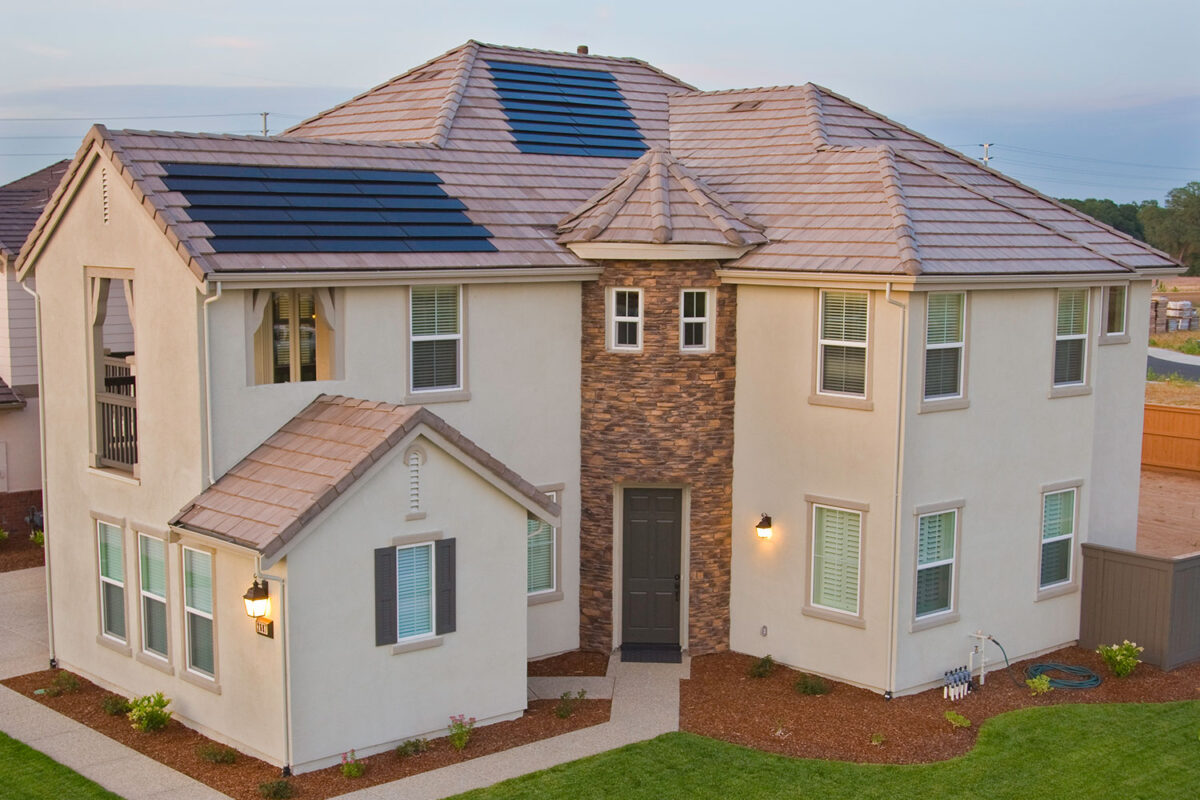
However, property maintenance has some built-in challenges. Keeping essential services like air conditioning and elevators up and running, repairing leaky pipes, and caring for buildings and their grounds can be a juggling act. That’s where a computerized maintenance management system (CMMS) comes into play.
A good CMMS can help property maintenance teams avoid asset failure and maximize limited resources. In this article, we’ll dig into exactly how property maintenance works. We’ll also look at some examples of property management and explore how a CMMS and other PropTech can help.
O que é a manutenção de imóveis?
A manutenção de propriedades inclui todas as tarefas e procedimentos necessários para garantir que os edifícios são seguros, confortáveis e estão em boas condições de funcionamento. Trata-se de uma categoria ampla que engloba tudo, desde o controlo de pragas e a eliminação do lixo até à manutenção do sistema AVAC. A manutenção de propriedades refere-se tanto à manutenção residencial como à manutenção comercial.
Uma manutenção de propriedade bem sucedida inclui tarefas de rotina como limpeza, trabalho de zeladoria e inspecções de segurança. As reparações de equipamento e a manutenção básica de activos como unidades AVAC e caldeiras são também da competência da manutenção de propriedades. Dependendo do edifício, a manutenção de propriedades também pode incluir a manutenção de terrenos, paisagismo e outras tarefas relacionadas.
Um dos maiores desafios na manutenção de propriedades é equilibrar a manutenção de rotina - cortar a relva, limpar os corredores, etc. - com tarefas de manutenção de emergência, como a reparação de canos com fugas. Uma estratégia de manutenção eficaz requer um planeamento cuidadoso, gestão de activos e atribuição de recursos, que são áreas em que um CMMS pode ajudar.
Principais tipos de manutenção de imóveis
Existem algumas categorias fundamentais de manutenção de imóveis. A maioria das tarefas de manutenção de imóveis pode ser definida como:
- Manutenção Preventiva
- Manutenção correctiva
- Manutenção de emergência
Preventive maintenance tasks are all the routine tasks that keep your property in optimal condition. Cleaning, safety inspections, and waste disposal all fall into this category. Regularly servicing HVAC units and boilers are other examples of preventive maintenance.
A criação de um sólido programa de manutenção preventiva reduzirá os seus custos globais e diminuirá a necessidade de reparações de emergência. A manutenção preventiva também facilita a gestão das peças sobresselentes e do inventário, permitindo-lhe prever quando é que vai precisar de peças e consumíveis.
Corrective maintenance refers to non-emergency repairs. This includes anything on the property that isn’t life-threatening or urgent but still requires maintenance. A slow-draining sink, a broken ceiling fan, or a few loose tiles are all examples of corrective maintenance.
Manter-se a par das tarefas de manutenção correctiva pode aumentar o valor da sua propriedade e aumentar a satisfação dos ocupantes do edifício, conduzindo a melhores relações a longo prazo.
Emergency maintenance, as the name suggests, refers to repairs that need immediate attention. Gas leaks, power outages, and electrical issues all call for emergency maintenance. A broken HVAC unit in the middle of a summer heatwave can also be classed as a maintenance emergency.
Exemplos de manutenção de imóveis
Cada propriedade é diferente, mas alguns dos exemplos mais comuns de manutenção de propriedades incluem o seguinte.
Manutenção preventiva e de rotina:
- Limpeza e eliminação de resíduos
- Inspecções de segurança, incluindo verificações de rotina dos detectores de fumo e de monóxido de carbono
- Manutenção preventiva de caldeiras, elevadores e outros activos
Manutenção correctiva:
- Reparação de pequenas fugas
- Desentupimento de esgotos
- Pequenas reparações eléctricas
Reparações de emergência:
- Reparação de unidades HVAC, caldeiras, elevadores ou outros activos críticos
- Substituição de janelas partidas
- Reparação de problemas eléctricos graves
Buildings and Industries That Manage Properties
A manutenção de imóveis é essencial para uma vasta gama de edifícios e instalações, incluindo
- Edifícios e complexos de apartamentos
- Instalações de vida comunitária, como lares de idosos
- Estabelecimentos de saúde
- Estabelecimentos de ensino
- Imobiliário comercial
Quanto maior for a propriedade, maior será a necessidade de manutenção. Esta situação pode criar desafios para os gestores de propriedades: como garantir que os edifícios e os terrenos são bem mantidos e, ao mesmo tempo, proporcionar reparações rápidas e fiáveis aos ocupantes do edifício? Atualmente, a maioria dos gestores trabalha com um orçamento reduzido e recursos limitados, o que torna estes desafios ainda mais difíceis.
As ferramentas digitais podem ajudar. Um bom CMMS, como o eMaint, simplifica os fluxos de trabalho e normaliza os processos para que as tarefas de manutenção sejam sempre concluídas corretamente. O software CMMS também ajuda na gestão de activos, estratégias de manutenção preventiva e gestão de inventário.
CMMS para manutenção de imóveis
Um bom CMMS desempenha um papel em quase todos os aspectos da manutenção de propriedades.
O eMaint CMMS pode prolongar a vida útil das suas caldeiras, unidades AVAC e outros activos críticos, acompanhando e analisando os dados de desempenho dos activos em tempo real. O eMaint pode até gerar ordens de trabalho quando os activos mostram sinais de problemas. O resultado? Mantém-se alguns passos à frente da falha dos activos, ajudando-o a minimizar o custo das reparações e a garantir que o seu equipamento se mantém em condições ideais durante mais tempo.
O eMaint também pode ajudar a definir prioridades de manutenção, criar calendários e acompanhar as taxas de conclusão da manutenção preventiva. O software pode criar listas de verificação para as equipas de manutenção seguirem, ajudando a garantir que as tarefas são executadas de forma consistente.
O eMaint funciona como um repositório central para todos os seus dados de manutenção. Terá sempre acesso imediato a tudo - desde o inventário aos registos de inspeção. Isto significa que é fácil manter o controlo e fornecer a melhor manutenção possível da propriedade, garantindo que os ocupantes do seu edifício se mantêm felizes e seguros.
PropTech for Property Maintenance
Property management is getting smarter thanks to integrative technology and artificial intelligence (AI). PropTech, or Property Technology, describes digital solutions that monitor activities within properties and can allow remote intervention.
For residents, PropTech can be smart locks or thermostats which can be integrated with property management systems. Video intercoms and streamlined security systems are another example of property technology. There are also PropTech solutions to assist building owners manage resident requests and communications, as well as for realtors to offer virtual tours of buildings.
For property maintenance, PropTech has huge potential when it comes to ensuring buildings are future-proofed and responsive, with hardware that monitors changes and opportunities to streamline energy usage and prevent breakdowns in service. According to Deloitte, investing in Internet of Things devices and smart technologies to track energy consumption was the top sustainability-related initiative by global real estate executives for 2024.
Digital Twinning
Digital twinning is an approach that is being adopted for property maintenance. The idea is to create a real-time digital replica of a building in order to provide a dynamic overview of its performance, allowing operators to manage activity and predict and potentially resolve potential issues before they become breakdowns.
Digital twins is a concept which originated in the construction industry about a decade ago, and is used to track materials and resources, with information from a building’s design and construction phase used to operate and maintain it more efficiently.
The digital twin is linked to the physical building using an array of sensors and a management system. The twin is constantly informed about the state of the building, able to assess factors such as temperature and air quality and make adjustments in real time. It can also flag problems with building systems and be used for predictive maintenance to mitigate the risks of component failures.
As well as helping manage efficiency during the life of a property, digital twinning can also help with sustainability by providing a baseline of information for the reuse of materials and machinery contained in assets like property when it reaches the end of its lifecycle.
Smart Building Systems
Smart Building Systems, also known as Intelligent Building Management Systems, are integrated technologies that use sensors, software, connected devices, building automation, energy management and security controls to manage what goes on within large buildings.
Examples include lights which automatically turn on or off based on occupancy and daylight levels, smart HVAC systems which adjust temperature and ventilation in response to the weather or the number of occupants, remote security monitoring and access control, smart parking systems that guide drivers to open spots, and digital dashboards for building managers which offer a visual guide to the general performance and efficiencies.
Internet of Things (IoT) usage data enables you to monitor and analyze patterns, helping asset owners to make informed decisions, identify waste and optimize systems.
Taking a smart approach can save operational resources and money, as well as help fight climate change. Buildings are responsible for more than 39% of carbon emissions worldwide. Smart Building Systems have the potential to reduce global energy consumption by 3 to 5%.
Budgeting for Property Maintenance
Estimating maintenance costs depends on the asset’s size, function, condition, and system complexity. Typically, between 1.5% and 2% of the property’s value should be spent each year on maintaining it. When looking at commercial scale properties, the difference in that half a percent could be enormous.
It’s generally acknowledged that preventive maintenance comes with higher installation costs (such as IoT technology, sensors, integrated analysis software, and CMMS software) but will save on energy and breakdown costs over time by helping property managers tackle and resolve potential issues before they become expensive emergencies.
Reactive maintenance (responding when something breaks down) lacks installation costs but has potential for greater long-term costs. For example, repairing or replacing a broken HVAC during extreme summer or winter temperatures is sure to be expensive.
Whatever your approach, using a mixture of data, regular inspections, and expert analysis can help you estimate and account for potential costs.
Seasonal Property Maintenance Checklist
While you can’t always predict which assets will need repair or upkeep, there are things you can account for depending on the season and climate.
From extra strain on HVAC systems during a heatwave or a cold snap, to increased reliance on electrical light in winter, here’s what to look out for each season:
Fall/Winter
Roofs and Gutters: A building’s first line of defense from water damage is a fully watertight roof and properly functioning gutters. In fall, leaves can overload gutters and downspouts, so ensure the removal of debris to ensure proper drainage during fall. Rainwater can freeze and cause fissures, so regular inspections after cold weather are key.
Brickwork: Inspect for damage after winter weather, repair any cracks or gaps to prevent damp or mold.
Exterior: Remove dirt by power washing brickwork, decks, and other external areas. This helps identify and problem areas hidden by dirt, as well as preserve the condition.
Plumbing and windows: Make sure exterior pipes are insulated to prevent freezing and bursting, and that all the windows open, close, and seal properly.
Heating system: Make sure the HVAC unit or other heating system is fully serviced and clean. Replace filters as needed and inspect chimneys and fireplaces for functionality.
Safety: Verify that smoke and carbon monoxide detectors are fully functioning, and that lights in communal areas and external shared areas work and go on at the right time of day.
Spring/Summer
Roof and Gutters: Inspect for damage from winter and spring weather and regularly clear any debris before temperatures rise during summer months.
Cooling system: Replace or clean air conditioning filters, service the HVAC unit, and ensure the system is cooling effectively.
Exterior: Verify that garden hoses and sprinkler systems are fully functional. Additionally, power wash patios and brickwork.
Energy: Make sure energy efficiencies are in place, including solar energy usage, and that responsive lights and heating are tuned to respond to daylight and temperature.