
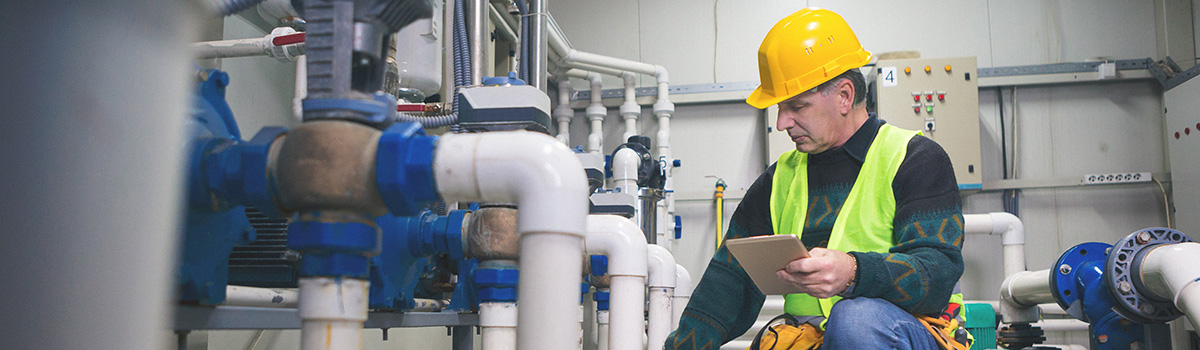
Deferred maintenance refers to postponing maintenance tasks — whether planned or unplanned — usually due to lack of budget. Over time, deferred maintenance tasks accumulate, creating a maintenance backlog.
Keeping a maintenance backlog has long been accepted as normal; however, regularly deferring maintenance has risks. As the maintenance backlog grows larger, it becomes more difficult to get caught up and prioritize tasks effectively. With deferred maintenance, important tasks can fall through the cracks, and small problems can escalate to equipment failure if they are not addressed in a timely manner.
Some companies have even chosen a run-to-failure maintenance strategy that allows machines to continue operating until they fail. However, this practice accelerates equipment wear, reduces asset lifespan, and increases the risk of unexpected failure and downtime. Often, deferred maintenance costs more time and money than simply keeping up with maintenance would have cost in the first place.
Fortunately, computerized maintenance management system (CMMS) software makes it possible to keep your maintenance both up-to-date and on budget.
Now that we’ve outlined the broad strokes, let’s take a closer look at the specific factors that contribute to deferred maintenance and how modern management tools offer viable solutions.
When can maintenance be deferred?
There are only a few compelling reasons to routinely defer maintenance for long periods — an approach that generally leads to increased time and resource expenditure. However, specific circumstances may justify a temporary deferment, such as aligning maintenance schedules with operational priorities or budget cycles.
These scenarios often fall into two main categories:
- Strategic deferred maintenance: Strategic deferred maintenance involves deliberately postponing less critical maintenance tasks to allocate resources to more urgent ones. For non-critical components, it may make sense to allow a machine to operate until failure. This strategy is used when the downtime caused by a failure does not significantly disrupt operations or when the cost of preventive maintenance outweighs the cost of replacing the unit. It requires robust preparation, including having the necessary parts and personnel ready to manage failures effectively and minimize downtime.
- Involuntary deferred maintenance: In contrast, involuntary deferred maintenance occurs due to uncontrollable factors such as sudden budget cuts or unexpected resource constraints. This type of maintenance deferment is unplanned and can lead to a cascade of issues where minor problems escalate, leading to major disruptions and increased repair costs.
What pushes an organization towards one of these types of deferred maintenance? Here are the contributing factors.
Reasons for deferred maintenance
- Budget constraints
There are many reasons organizations choose to defer maintenance, but the leading one is cost. When financial resources are tight, maintenance managers often need to make difficult choices about which tasks to prioritize. High-priority tasks with significant maintenance criticality might take precedence, while less urgent repairs and replacements are postponed.Although deferring maintenance might seem like a short-term solution, it’s important to consider the long-term consequences to your budget. Emergency repairs, which are far more expensive than routine maintenance, often result from deferred tasks. Moreover, unplanned downtime can leave workers idle and halt production, leading to substantial productivity losses.
- Inefficient decision-making
Even when additional funding can be requested, slow approval processes can delay maintenance activities. If it takes weeks for management to approve necessary funding, pending tasks can easily accumulate in the maintenance backlog. Efficient decision-making and swift approvals are crucial to prevent maintenance deferrals.
- Company policies
Even for companies that don’t intentionally operate a run-to-failure strategy, hold orders can be placed on work for any number of reasons, hindering the team’s ability to proceed with a maintenance task.
- Lack of planning
Poor planning frequently results in a lack of resources, whether parts or technicians, to complete maintenance tasks on time, leading to them being deferred. For example, without proper spare parts inventory management,teams may not have replacement parts on hand, which can lead to tasks being put on the back burner, as they cannot be completed until the parts are ordered and delivered.Similarly, insufficient staffing can leave teams without the required personnel to complete maintenance tasks on time. Additionally, certain analyses or repairs may be too complex for the existing team, necessitating the use of third-party contractors, who may not always be available and can be expensive.
- Unforeseen emergencies
Unexpected events can divert attention and resources away from routine maintenance tasks. Emergencies might require reallocating funds from planned maintenance to address the immediate issue. For example, if critical medical equipment malfunctions, ensuring safety for technicians would take precedence over non-urgent maintenance tasks like servicing a functional HVAC system.
- Lack of expertise
The value of specialist skills can’t be overemphasized in maintenance. Having personnel in-house or access to people with knowledge to identify problems before they escalate is critical. Spotting maintenance needs may require specific skills or training that are worthy of investment.
- Staffing levels
Another barrier to identifying maintenance needs is stretching personnel levels too thin. Without sufficient staff, maintenance teams may forgo routine checks that could find potential problems early. Baked-in time for overhaul and asset inspection shouldn’t be overlooked.
- A corrective maintenance mindset
Solely relying on corrective maintenance (addressing issues as they arise) can also contribute to deferred maintenance. Without a proactive maintenance plan, identifying the root cause of breakdowns becomes challenging. Additionally, budgeting for corrective maintenance is difficult, as the costs are unpredictable and can escalate quickly without proper data and documentation.
- A lack of performance data
Repairs can easily slip through the cracks and be neglected without a metrics-driven approach and an effort to track maintenance Key Performance Indicators (KPIs).
Now that we know why maintenance could be put off, let’s shift gears and look at how to spot when deferred maintenance is actually happening.
Recognizing the signs of deferred maintenance
The signs of deferred maintenance vary hugely by industry, asset, and function. That said, here are a few universal symptoms of equipment requiring maintenance:
What to watch out for
- Noises: A piece of equipment might make an odd sound, such as clanking, or become louder than usual.
- Odor: Equipment might emit a burning, gas, or mold smell, or some other unusual odor that might cause you to wrinkle your nose.
- Vibrations: Equipment may be shaking or shuddering.
- Heat: Machinery can get hot and overheat before it fails.
- Leaks: If any fluid is leaking out of equipment, it may indicate imminent failure.
- Shabbiness: Any visible wear and tear, including rust, peeling paint, and cracks, could also signal that maintenance has been deferred for too long.
Spotting any of these signs suggests it’s time to schedule maintenance work. If more than one appears at the same time, it’s indicative of a deferred maintenance backlog.
Of course, a specialist may identify numerous other indicators of deferred maintenance — the above list is not exhaustive.
The key is to look out for signs and respond with scheduled checks. Ignoring them could lead to serious repercussions.
What are the risks of deferred maintenance?
There are many risks to putting off maintenance and accumulating a significant backlog. Some of the most complex risks across industries include issues with compliance and audit-readiness, as well as issues with the accuracy of the data your organization uses to track KPIs.
- Issues with compliance and audit-readiness: Maintenance delays can lead to multiple issues, affecting a site’s compliance and ability to pass an audit. Underperforming equipment can create safety regulation violations or breaches of building codes. Meanwhile, if an audit inspector reviews the backlog and determines that maintenance has been overly deferred or that there are gaps or mismatches in the documentation surrounding maintenance and maintenance timelines, your audit could result in regulatory findings that put you in non-compliance.In fact, one state-level division in Virginia recently faced regulatory findings after a state audit discovered that the organization’s records were rife with inaccuracies, gaps, and incorrect statuses. Additionally, of the sample of 70 work orders that the auditors reviewed, all 70 had been deferred at least once, and one had been deferred four times.Both of these issues — non-compliance and poor maintenance records that don’t create the proper audit trail — could result in legal action, fines, or even shutdown.
- Distortion of reliability and performance metrics: Another major issue with delaying asset maintenance is the potential for developing unreliable KPIs. That’s because overly deferred maintenance produces metrics that don’t genuinely represent your assets and operations — and the longer you go without proper maintenance, the more skewed those KPIs become.For instance, an Overall Equipment Effectiveness (OEE) score might look good on its own, but it’s not the whole picture. Your assets might be performing fine at the moment, but the further behind on maintenance they are, the higher the chances are that they break down, tanking availability and creating disruptions in the overall workflow. And the more critical those assets are, the higher the risk of unplanned downtime. While OEE calculations try to take unplanned downtime into consideration, they primarily rely on historical data to do so. Since it’s difficult for calculations to anticipate the severity of the impacts deferred maintenance will have, if you’re delaying repairs, you’re not operating with a truly accurate picture of the risk of breakdown, downtime, and the associated financial burden.Similarly, deferred maintenance can warp Mean Time to Repair (MTTR) metrics. For example, rather than ordering costlier parts and taking the time to repair the root cause of an asset’s underperformance, a technician might make a quick fix. While this stopgap repair keeps MTTR low, it kicks the can down the road and will likely lead to a more significant repair that will take longer and lead to large spikes in MTTR data in the future.It’d be natural to think, then, that having a high preventative maintenance (PM) compliance rate would mean KPIs like OEE and MTTR would be more accurate and that your deferral risk is low. But this isn’t always the case. Facilities can find themselves in a situation with high PM compliance and high deferral risk when staff primarily focus on tackling scheduled repairs appropriately. However, if management decides to continually hold off on approving unscheduled, high-cost, critical repairs and even asset replacements, deferral risk can significantly increase.
Other key risks of delaying maintenance include:
- Cost of repairs: Delaying maintenance can lead to more expensive emergency repairs. Additionally, the cost of spare parts will likely increase over time due to inflation.
- Reduced Overall Equipment Effectiveness (OEE): Postponing necessary repairs can decrease equipment effectiveness. Deferred maintenance can result in lower machine availability, disrupted production schedules, and compromised product quality.
- Safety risks: Improperly maintained equipment can pose significant safety hazards, increasing the likelihood of accidents, potential OSHA violations, and expensive fines.
- Asset degradation: Delaying maintenance can reduce the lifespan and value of assets, even leading to premature equipment failure and lower ROI.
- Loss of revenue: Unexpected operational downtime resulting from deferred maintenance can hurt output and profit. Companies can also lose business clients or customers due to reputational damage.
- Reduced well-being: When vital assets are not functioning to their intended standards, excessive noise or other signs of wear can negatively impact working conditions and, in turn, the well-being of personnel.
How a maintenance backlog accumulates
We’ve already discussed how an organization might need to defer maintenance (via strategic or involuntary deferred maintenance) and why (due to factors such as budget constraints, company policies, and lack of expertise). But how does the resulting backlog actually accrue?
If an organization has amassed a backlog as a result of strategic deferred maintenance, that backlog is purposeful and very likely something that the organization’s staff will keep manageable. They’ll catch up on it without much strain when the time comes.
However, if a backlog accumulates due to involuntary deferred maintenance, it can easily turn into a problematic flywheel. For example, the backlog may begin because a company doesn’t have the resources to address the root performance issue of an asset. Instead, they delay repair. Now, the asset is underperforming and straining its other mechanical components that likely were in good shape prior to the root performance issue arising. Because these other mechanical components are now under extra strain, they wear down more quickly than anticipated. As a result, these parts need more than just maintenance — they need to be repaired (and the organization’s preventative maintenance schedule is thrown off). However, the organization still doesn’t have the resources to make the truly necessary repairs, so staff either make stop-gap fixes or defer again, and the backlog continues to grow.
It’s easy to see how quickly backlog growth can accelerate for organizations that operate too leanly. These issues compound further and even more quickly for organizations focused on growth that are adding sites and assets to their maintenance load. With more machinery to monitor and manage, deferral risk will naturally increase proportionally.
Strategies to address deferred maintenance backlog
It’s important to have a strategy when addressing and trying to reduce a deferred maintenance backlog.
It can help to carefully audit your maintenance requirements and prioritize tasks on the basis of importance, safety, and primary objectives.
Once the above has been established, it’s sensible to construct and implement a maintenance strategy.
Additionally, using a computerized maintenance management system (CMMS) can help you keep track of, allocate, and schedule tasks and resources.
Let’s break it down into steps:
1. Diagnostic audit
List all necessary maintenance tasks (including details of the assets involved), necessary equipment, materials, and/or tools required. You might need the help of your team or a maintenance technician to get all the necessary information for a diagnostic audit.
2. Risk assessment
Safety is always a top priority. Once you’ve audited the tasks in hand, it’s time to consider the potential impact of postponement. This should include potential hazards, such as the risk to your staff, the general public, or the environment.
3. Prioritization
Once you’ve established the most immediate risks to safety and operations, it’s time to prioritize. Conduct emergency maintenance based on the criticality of each task.
4. Resource allocation
Direct the workforce, materials, and budget towards the highest priority tasks as soon as possible. It might help internal decision-making to calculate the cost of maintenance tasks against the cost of asset replacement (in the case of failure due to deterioration).
5. Utilize technology
If possible, now is the time to invest in technology like CMMS software or Internet of Things (IoT) sensors to help you monitor equipment more strategically and respond to potential failures or risks more quickly. A CMMS enables you to schedule tasks, track activities and resources, manage inventory, and record real-time data that can be analyzed to preempt downtime.
6. Root cause analysis (RCA)
Once the immediate risks in terms of safety and business objectives have been resolved, it’s time to learn from what went wrong. Conduct regular meetings with staff, maintenance technicians, and other stakeholders to share information, advice, and analysis. Clear communication, two-way feedback, and a culture of openness will help your team better anticipate future problems.
7. Implement preventive strategies
Choosing a proactive, preventive, or predictive maintenance approach can help you reduce your deferred maintenance backlog by flagging problems before they escalate, scheduling regular checks, and using data and software to inform maintenance decisions before issues become critical. This can improve organizational reliability, boost the asset lifespan, and head off unexpected downtime or expensive emergency repairs.
Example of deferred maintenance: Denver International Airport
At Denver International Airport (DIA), a vivid example of the challenges and consequences of deferred maintenance unfolds. Despite billions spent on expansions, the airport has struggled with maintaining its existing infrastructure. A city audit revealed that the airport has fallen behind on maintaining its buildings and equipment, with more than 7,000 maintenance tasks backlogged over three years.
This maintenance neglect has led to out-of-order escalators and moving walkways, impacting the flow of passengers and the overall functionality of the airport. The maintenance team, understaffed by 23%, has been frequently diverted to emergency repairs, leaving routine inspections and preventive work unaddressed.
The situation at DIA illustrates the snowball effect of deferred maintenance: minor issues escalate into major disruptions, costing more long-term due to emergency repairs and decreased equipment life expectancy. The airport’s focus on large projects while neglecting basic upkeep serves as a cautionary tale of the importance of balancing expansion with essential maintenance tasks.
5 steps to prevent and decrease deferred maintenance
Looking at the repercussions at DIA, it becomes clear that effective management strategies are crucial to prevent similar outcomes. Here are key steps to consider implementing as part of your facility maintenance approach — while some may be obvious suggestions, others might be less apparent but equally crucial.
- Step 1: Log maintenance activity: Centralizing data around assets, equipment, work requests, and work orders is critical for preventing and reducing a deferred maintenance backlog. Investing in a CMMS or an EAM system captures crucial information like wrench time, time to complete, maintenance costs, and warranties, which are helpful for audits and ROI cases.
- Step 2: Conduct an audit: Gathering data allows you to audit the scale of maintenance-related issues. Key considerations include whether there are warranties nearing expiration, equipment failure frequency and unpredictability, and safety threats to staff and production.
- Step 3: Prioritize the current backlog: Categorize the backlog into immediate and delayed attention tasks. Use criteria like cost, Mean Time to Repair, asset lifecycle, and repair dependencies to effectively prioritize maintenance tasks.
- Step 4:Inspect equipment for signs of deferred maintenance: Use the checklist we discussed previously to examine assets that aren’t included in the current backlog and determine if they’ll need attention soon. Signs such as unusual noises and odors, excessive vibration and heat, and leaks all indicate the equipment is overdue for maintenance or repairs.
- Step 5: Start or increase preventive maintenance (PMs): Preventive maintenance tasks are crucial for avoiding emergency and deferred maintenance. CMMS software facilitates easy PM scheduling, customized checklists, and runtime-based PMs.
- Step 6: Secure additional budget: Show where your current budget is allocated to secure additional funds. Demonstrate how investing in maintenance saves money in the long run by avoiding costly repairs and downtime.

How to combat deferred maintenance with CMMS and IIoT
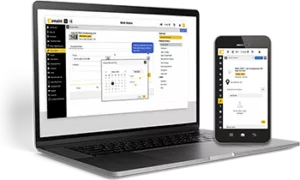
Computerized maintenance management system (CMMS) software helps maintenance teams keep on top of work orders, scheduling, and maintenance KPI monitoring, ensuring tasks are completed on time.
IIoT devices, like condition monitoring sensors, can be installed on your machines to automatically collect key data, like changes in vibration and temperature that indicate the health of your equipment. Data analytics software can then analyze sensor data to make accurate predictions about your equipment’s maintenance requirements.
These technologies become your eyes and ears, giving you visibility into equipment performance and maintenance requirements based on data directly from the machines. This allows you to prioritize maintenance more effectively and reduce the risks of deferred maintenance.
Speak with a specialist today to learn how our software and sensors can transform your business.